
How Often Should Commercial Floors Really Be Professionally Cleaned?
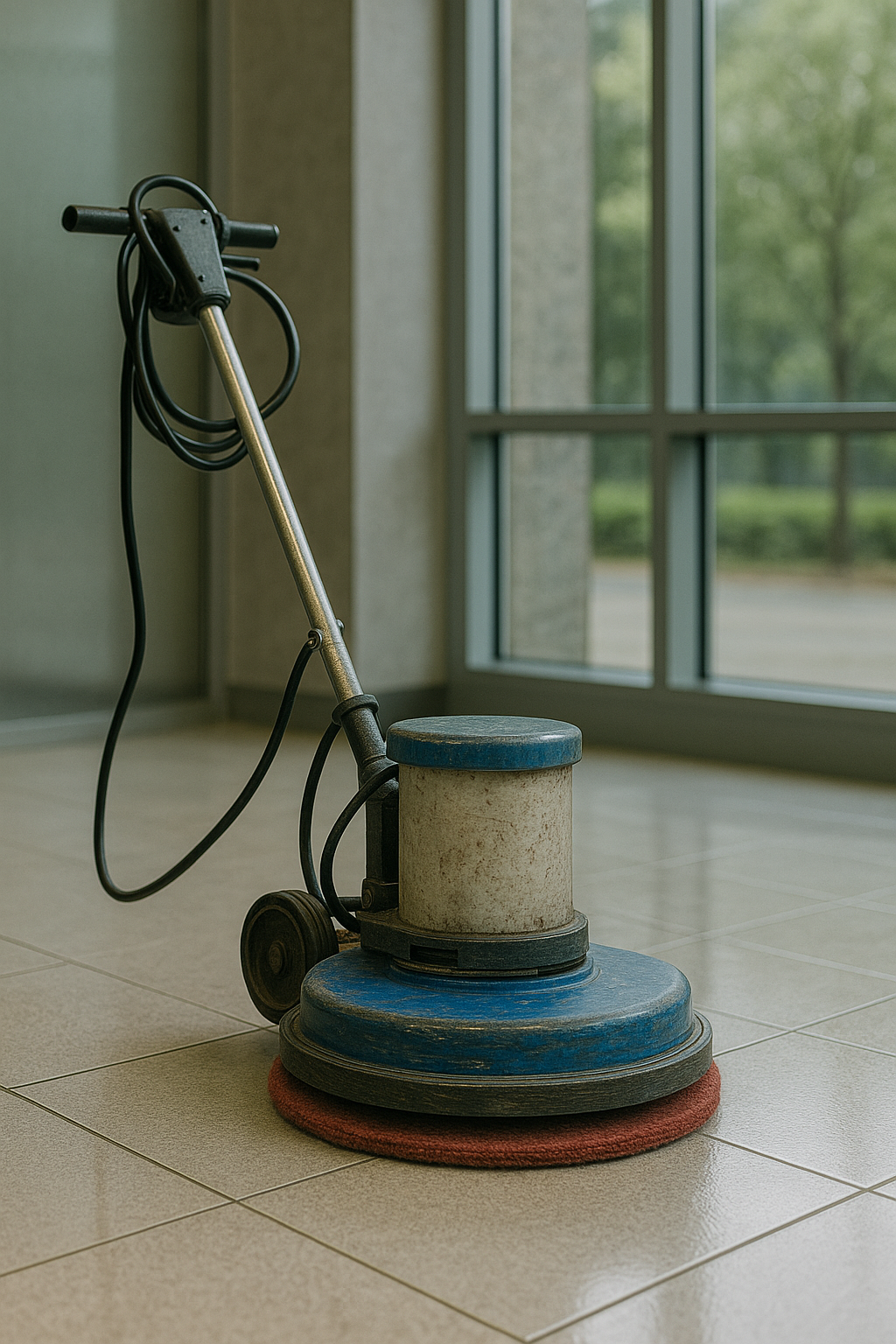
One of the most common questions business owners and facility managers ask is simple: How often do our floors actually need professional cleaning? The answer isn’t one-size-fits-all. The right schedule depends on traffic levels, floor type, industry regulations, and how much wear and contamination the surface sees every day.
Waiting too long between professional cleanings doesn’t just affect appearance — it shortens the life of the flooring, increases slip hazards, and raises long-term maintenance costs. On the other hand, having a smart, consistent cleaning schedule protects your investment and keeps your space looking professional at all times.
Why Regular Professional Cleaning Is Different From Daily Mopping
Daily or weekly janitorial cleaning is important, but it only removes surface dirt and loose debris. Over time, oils, grit, bacteria, and cleaning residue build up deep inside the floor’s pores and finish layers. This is especially true for materials like VCT, LVT, tile and grout, and sealed concrete.
Professional hard-floor cleaning removes:
Embedded dirt and grease
Old finish buildup and residue
Slip-causing films
Bacteria trapped in grout and micro-scratches
Without periodic deep cleaning, even well-maintained floors slowly lose traction, appearance, and durability.
Cleaning Frequency by Industry Type
Instead of guessing, the best way to determine your cleaning schedule is by looking at how your space is actually used. Different industries demand very different maintenance intervals.
Healthcare Facilities
Hospitals, clinics, dental offices, and assisted-living centers require the most frequent professional floor care due to infection control standards and constant foot traffic.
Most healthcare facilities benefit from:
Monthly to quarterly deep cleaning
Annual strip and wax or coating refresh
Frequent burnishing for high-traffic areas
Retail Stores & Shopping Centers
Retail floors take a pounding from foot traffic, rolling racks, shopping carts, and outdoor debris tracked inside. Appearance also directly impacts customer perception.
Recommended schedule:
Quarterly deep cleaning
1–2 restorative services per year
Burnishing monthly (or more often in high-traffic stores)
Restaurants & Commercial Kitchens
Grease, moisture, and food debris cause floors in kitchens and dining areas to degrade faster than almost any other environment. Slip risk is also significantly higher.
Typical schedule:
Quarterly to bi-monthly deep cleaning
Annual full restoration
More frequent service in 24-hour or high-volume kitchens
Office Buildings
Offices generally see moderate foot traffic but still accumulate dirt, scuffs, and residue from regular daily use.
Most offices do well with:
2–4 professional cleanings per year
Periodic burnishing for appearance
Annual restorative service if floors are VCT or coated
Warehouses & Industrial Facilities
Forklifts, pallet jacks, dust, and heavy load movement wear floors quickly — even when the building doesn’t look “dirty.”
Ideal schedule:
Quarterly or bi-annual deep cleaning
Spot restoration in traffic lanes
Annual inspection of high-wear zones
How Floor Type Affects Cleaning Frequency
Not all hard floors behave the same way. The material itself plays a major role in how often professional cleaning is needed.
VCT: Requires the most frequent professional service due to finish buildup and traffic wear
LVT: Needs regular deep scrubbing but less frequent stripping
Tile & Grout: Benefits from consistent grout extraction to prevent discoloration and odor
Sealed or Polished Concrete: Requires less frequent deep cleaning but still needs periodic restoration to maintain traction and appearance
Using the wrong schedule for the floor type often leads to premature failure and unnecessary replacement costs.
Warning Signs That It’s Time for Professional Cleaning
If you’re unsure whether your floors are overdue, there are clear visual and safety indicators to watch for:
Dull or cloudy appearance that won’t polish up
Increasing slip incidents or slick feeling underfoot
Grout lines darkening or staying dirty after mopping
Wax or finish peeling in traffic lanes
Persistent odors that won’t go away
These signs usually mean surface cleaning is no longer enough.
Why After-Hours Cleaning Makes Better Sense for Most Businesses
Many companies avoid professional floor service because they worry about downtime and disruption. That’s exactly why after-hours cleaning is so valuable. With overnight service, businesses receive full restoration without blocking walkways, moving customers, or shutting down operations.
After-hours service allows for:
Safer equipment operation
Better drying and cure times
Zero interference with staff and customers
A fully refreshed space by morning
For busy facilities, nighttime cleaning isn’t just convenient — it’s operationally smarter.
The Cost of Cleaning Too Infrequently
Stretching cleaning intervals may look like a budget saver, but it usually increases total flooring costs over time. Dirt and grit act like sandpaper, slowly grinding away protective coatings and finishes. Once the finish layer fails, the floor becomes harder to clean, more slippery, and more expensive to repair.
Regular professional cleaning:
Extends floor lifespan
Reduces full replacement needs
Improves daily cleanability
Protects slip resistance
Maintains professional appearance
Building the Right Schedule for Your Facility
The ideal cleaning schedule balances appearance, safety, budget, and long-term durability. At Night Owl Floor Services, we evaluate:
Traffic levels
Floor material
Industry requirements
Slip risk
Existing floor condition
From there, we build a custom maintenance plan that protects the floor without unnecessary overspending.
Clean Floors Should Never Be a Guessing Game
Commercial floors are one of the most heavily used assets in any facility. Cleaning them only when they look “bad enough” almost always leads to higher repair and replacement costs later. A consistent professional cleaning schedule keeps your floors safer, longer-lasting, and far more cost-effective over time.
